
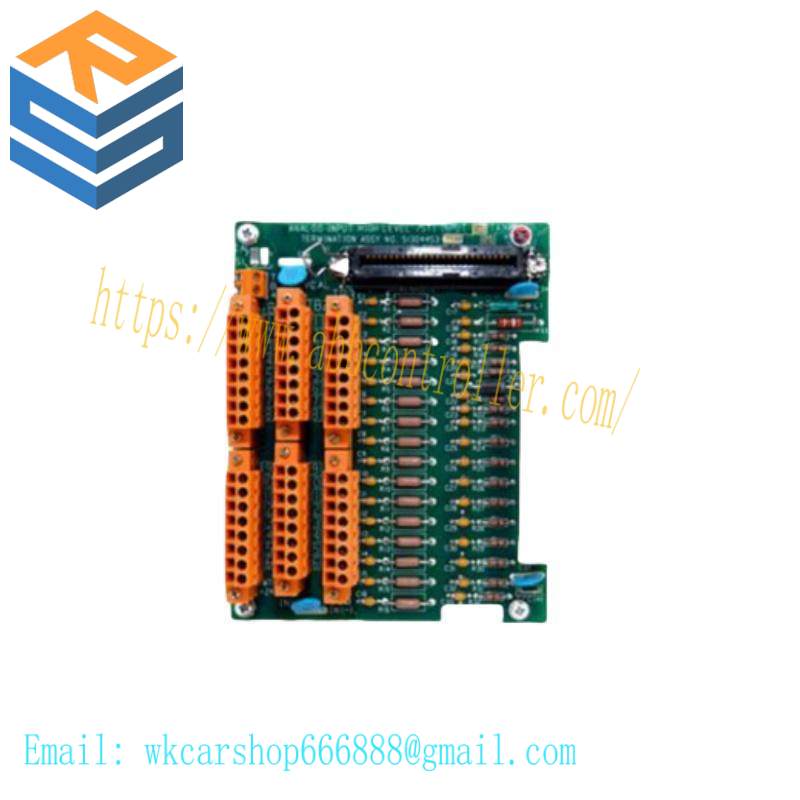
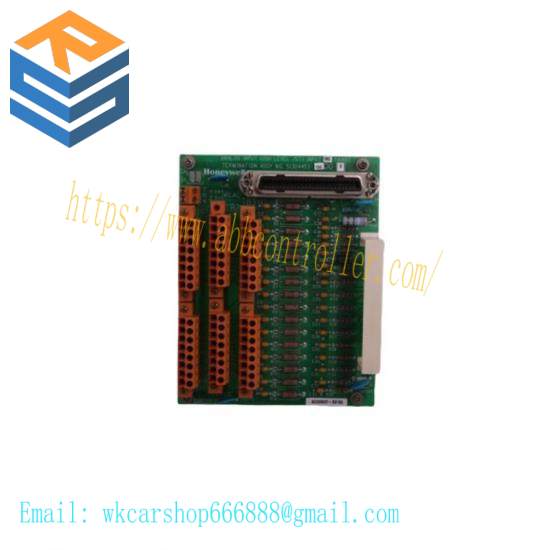
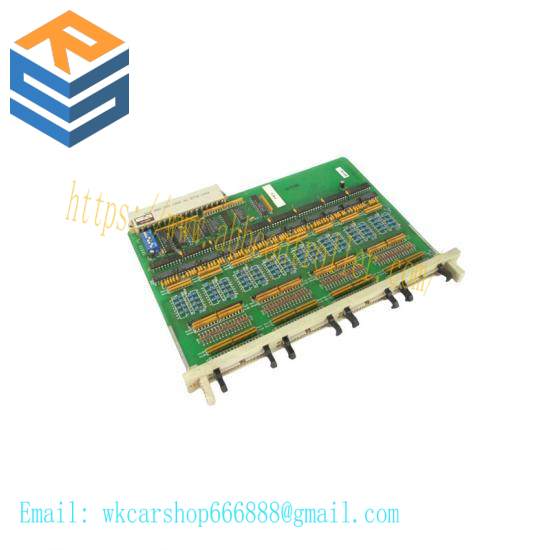
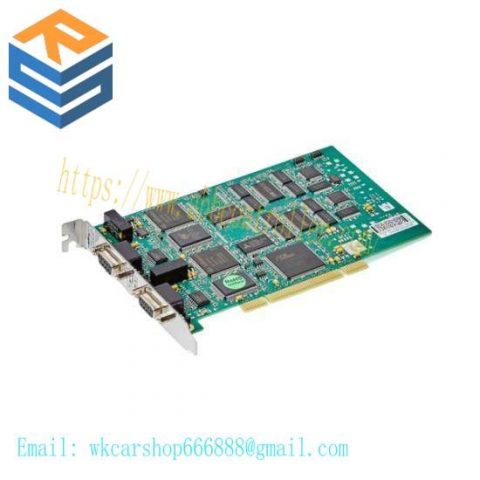
3BSE069272R2 is a key communication module in ABB’s industrial automation product line. It is usually integrated in ACS series inverters (such as ACS800, ACS550) or PLC systems, and undertakes the following core tasks:
Data exchange between devices: Realize real-time communication between inverters and host computers (such as DCS, SCADA), HMI (human-machine interface) or other intelligent devices (such as sensors, actuators).
Protocol conversion and adaptation: Support multiple industrial protocols (such as Modbus RTU/TCP, Profibus DP, EtherCAT, CANopen, etc.), and be compatible with devices from different manufacturers.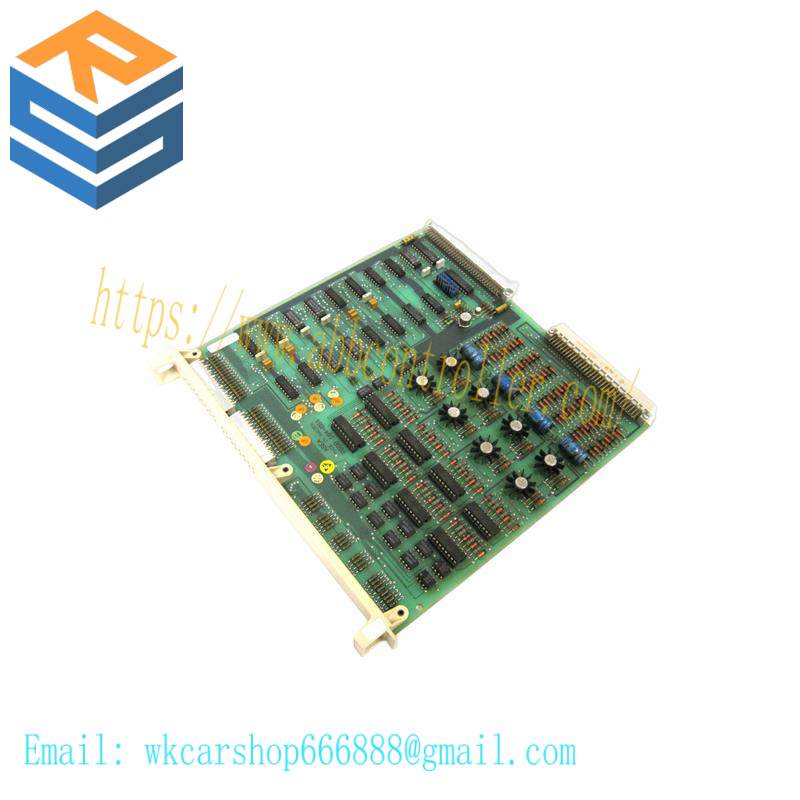
Network management and diagnosis: Monitor the status of communication links, record error logs, and support remote parameter configuration and firmware upgrades.
Typical application scenarios
Motor drive control network
In scenarios where multiple inverters operate in coordination (such as papermaking machines and rolling mills), a master-slave control network is built through communication modules to achieve synchronous speed regulation or load distribution.
Industrial Internet of Things (IIoT) Integration
Connect to cloud platforms or edge computing devices, upload equipment operation data (such as energy consumption, temperature), support predictive maintenance and energy efficiency optimization.
Process Automation System
Combined with PLC, sensors, etc. to form a distributed control system, monitor fluid pressure, flow and other parameters, trigger automatic adjustment or alarm.
Energy Management System
Integrated in wind power and photovoltaic inverters to achieve grid-connected control and power regulation to meet grid dispatching needs.
Common Problems and Solutions
1. Communication interruption or data error
Possible causes:
Wiring error (such as reverse polarity of RS485, unmatched terminal resistance).
Communication protocol parameter configuration is inconsistent (such as baud rate, address conflict).
Electromagnetic interference (such as high-frequency noise of the inverter coupled to the communication line).
Troubleshooting steps:
Check the physical connection (cable, terminal, terminal resistance).
Use an oscilloscope or protocol analyzer to capture the signal and confirm the waveform quality.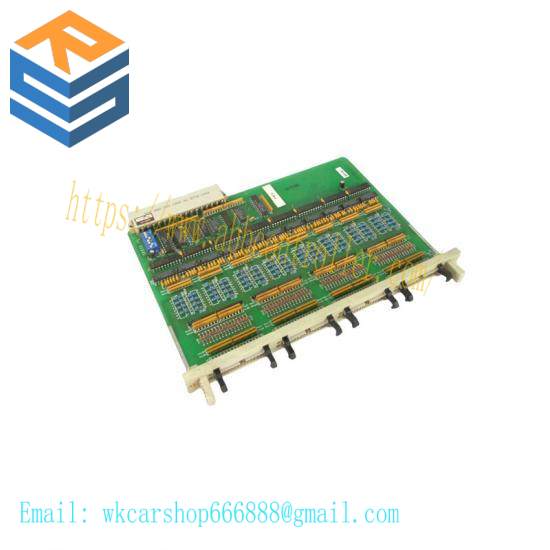
Verify parameter configuration through ABB DriveWindow or PLC programming software.
Install magnetic rings or use shielded twisted pair cables for key lines.
Module cannot be recognized or reports an error
Typical error codes:
F0001: Communication timeout (check device address, network topology).
F0002: Protocol mismatch (confirm that the master and slave devices support the same protocol version).
F0003: Hardware failure (replace module for test).
Solution:
Reset module (power off and restart or trigger through software).
Upgrade firmware to the latest version (fix known compatibility issues).
Selection and Configuration Guide
Protocol Compatibility
Confirm the protocols supported by the device (such as Modbus TCP requires Ethernet interface, Profibus DP requires dedicated bus interface).
If multiple protocols need to coexist, select a module that supports protocol stack switching (such as ACS880 series can be equipped with dual-protocol modules).
Network topology design
RS485 bus: suitable for short distance (<1km), low rate (<1Mbps) scenarios, attention should be paid to terminal resistance matching (usually 120Ω).
Ethernet ring network: supports high bandwidth (100Mbps+) and redundant paths (such as MRP protocol) to improve system reliability.
Fiber optic communication: suitable for long distance (>1km) or strong electromagnetic interference environment (such as substations, metallurgical plants).
Safety and redundancy
For critical systems (such as nuclear power and chemical industry), select modules that support functional safety (SIL2/PLd) to achieve safe communication.
Use dual-channel redundant design (such as dual Ethernet ports) to ensure that single point failure does not affect system operation.
Maintenance and upgrade suggestions
Regular inspection
Clean the dust on the surface of the module and check whether the heat dissipation holes are blocked.
Verify the status of the communication indicator (such as TX/RX flashing frequency).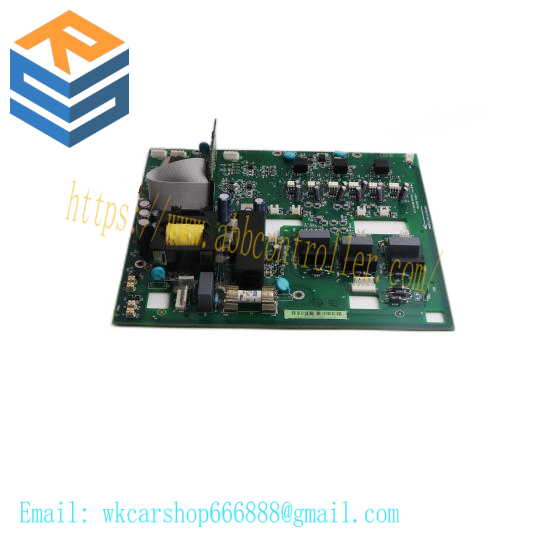
Firmware management
Back up the current firmware through ABB official tools (such as DriveSize, CodeSys).
Test the compatibility of the new firmware in a non-production environment before upgrading.
Spare parts strategy
Store at least 1 spare module to avoid long-term maintenance delays due to shutdown.
Record the module serial number and device binding relationship for easy traceability management.
Extended functions (advanced applications)
OPC UA integration
Convert Modbus/Profibus data to OPC UA protocol through gateway modules to achieve cross-platform data sharing (such as docking with MES and ERP systems).
Time-sensitive network (TSN)
In the ACS880-EC series, the TSN protocol is supported to achieve deterministic communication (delay <1ms), which is suitable for motion control scenarios.
Edge computing
Integrate lightweight AI algorithms (such as vibration analysis) to achieve localized data processing on the module side and reduce cloud load.
Summary
The 3BSE069272R2 communication module is a core component of the ABB industrial network, and its stability directly affects the system efficiency. Users need to select the appropriate protocol and topology according to the application scenario and strictly follow the maintenance specifications.
Related product recommendations:
3ASC25H204 DAPU100
3BHB005245R0101
REA101-AAA
3ASC25H204
3BHB003688R0101
AO2040
GFD563A102 3BHE046836R0102
DSAO110 57120001-AT/1
DSAO120 57120001-EY
PM511V16 3BSE011181R1
3BHB016120R0002
5SHX1960L0006
5SHX1960L0006 3BHB016120R0002
SUE3000 1VCF750090R0804
More……
There are no reviews yet.